Resources
Technical design, validation, integration, and application engineering guidance for robotic joint modules and motion systems.
Use this category to review practical procurement and engineering patterns. Each article is written to reduce ambiguity in RFQ, validation, and production release decisions.
Instead of generic theory, these posts focus on what buyers can send, measure, and approve in supplier communication.
In practical sourcing programs, this category is most useful when its article checklists are copied into internal review templates and then reused in supplier calls, sample sign-off notes, and PO release approvals.
These articles are sorted by publish date and are intended to be used as reusable inputs for your engineering and procurement handoffs.
Need project-specific guidance? Start from Contact / RFQ and include the article links your team is referencing.
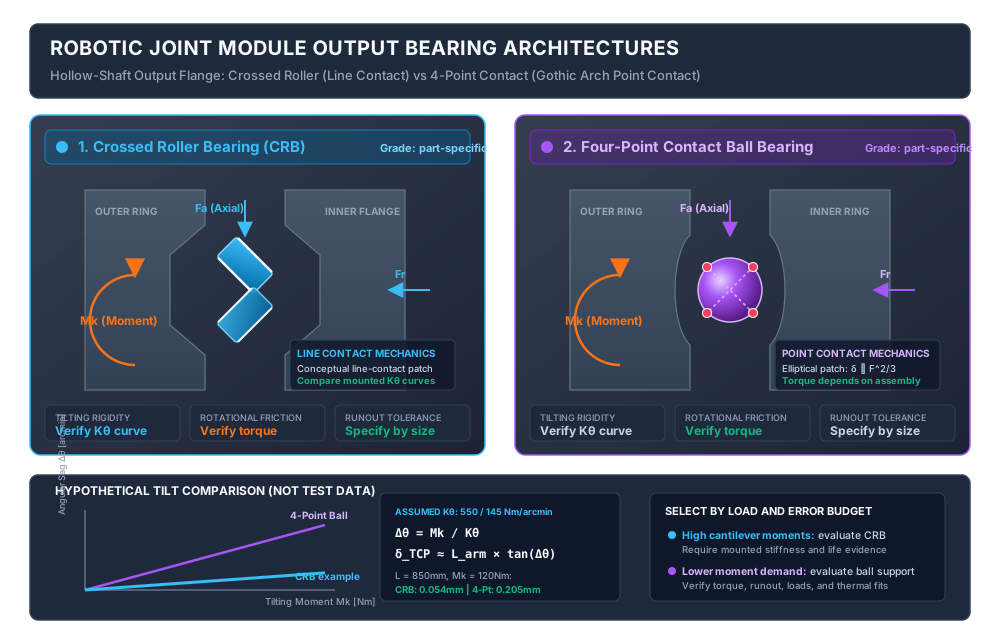
Compare crossed roller vs four-point contact bearings for robot joints. Evaluate tilting stiffness, runout, preload and thermal fits, then prepare your RFQ.

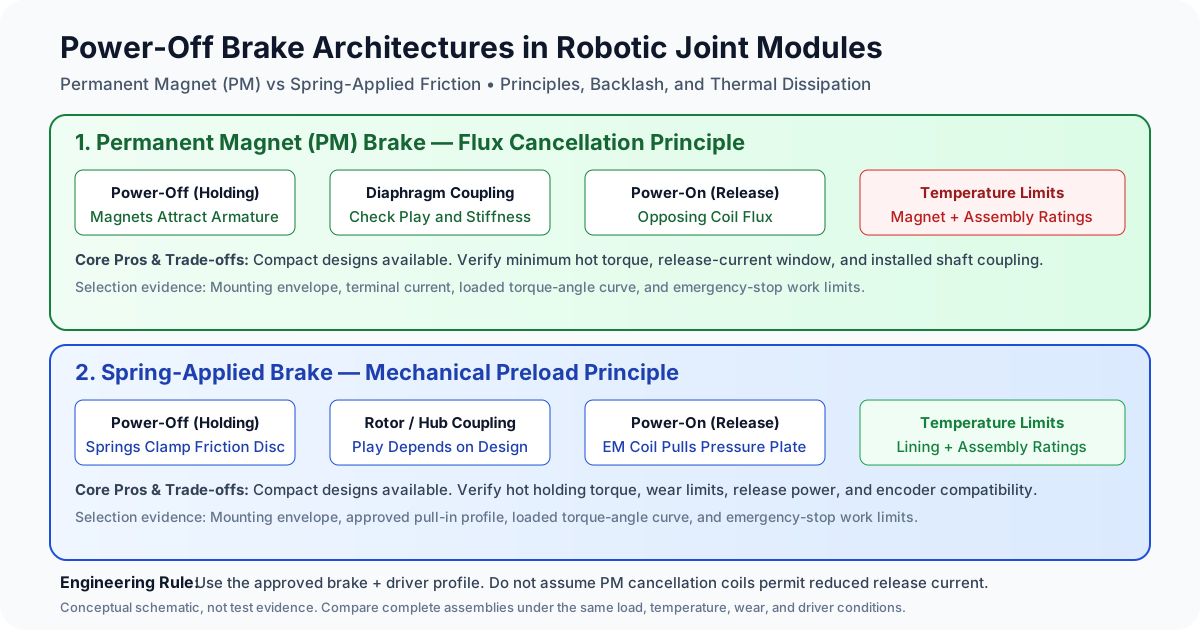
Compare permanent magnet vs spring-applied robot joint brakes for torque, heat, backlash and engagement time. Use the RFQ checklist to shortlist suppliers.
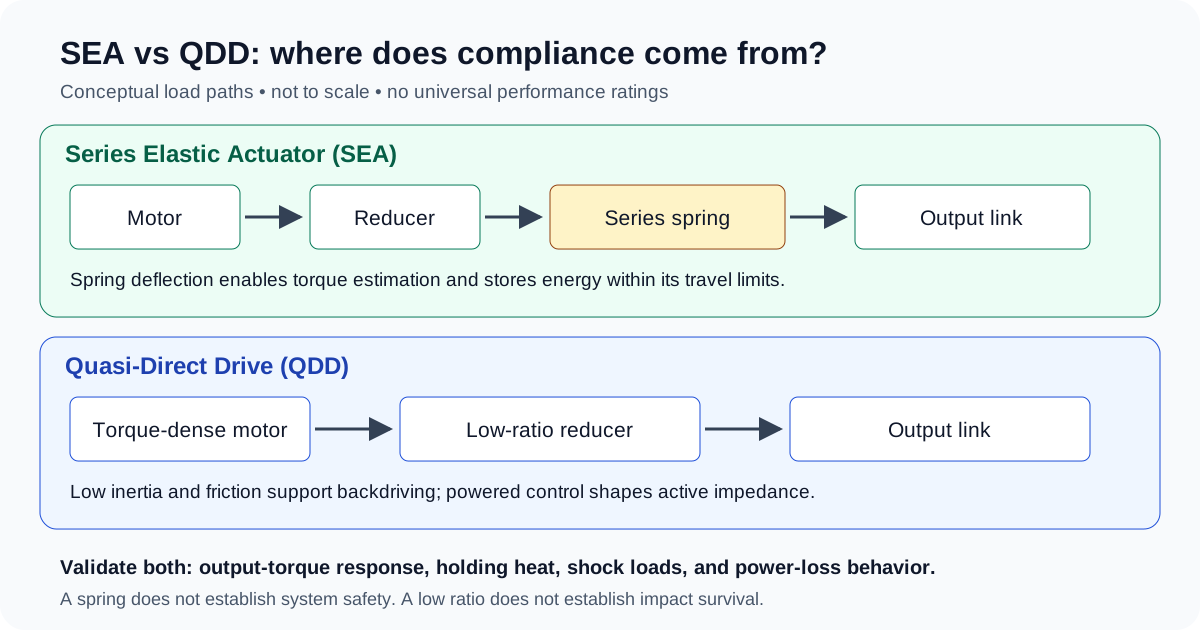
Compare SEA vs QDD robotic joint modules for force bandwidth, energy recovery, holding heat, and OEM sourcing. Use the checklist to prepare your actuator RFQ.
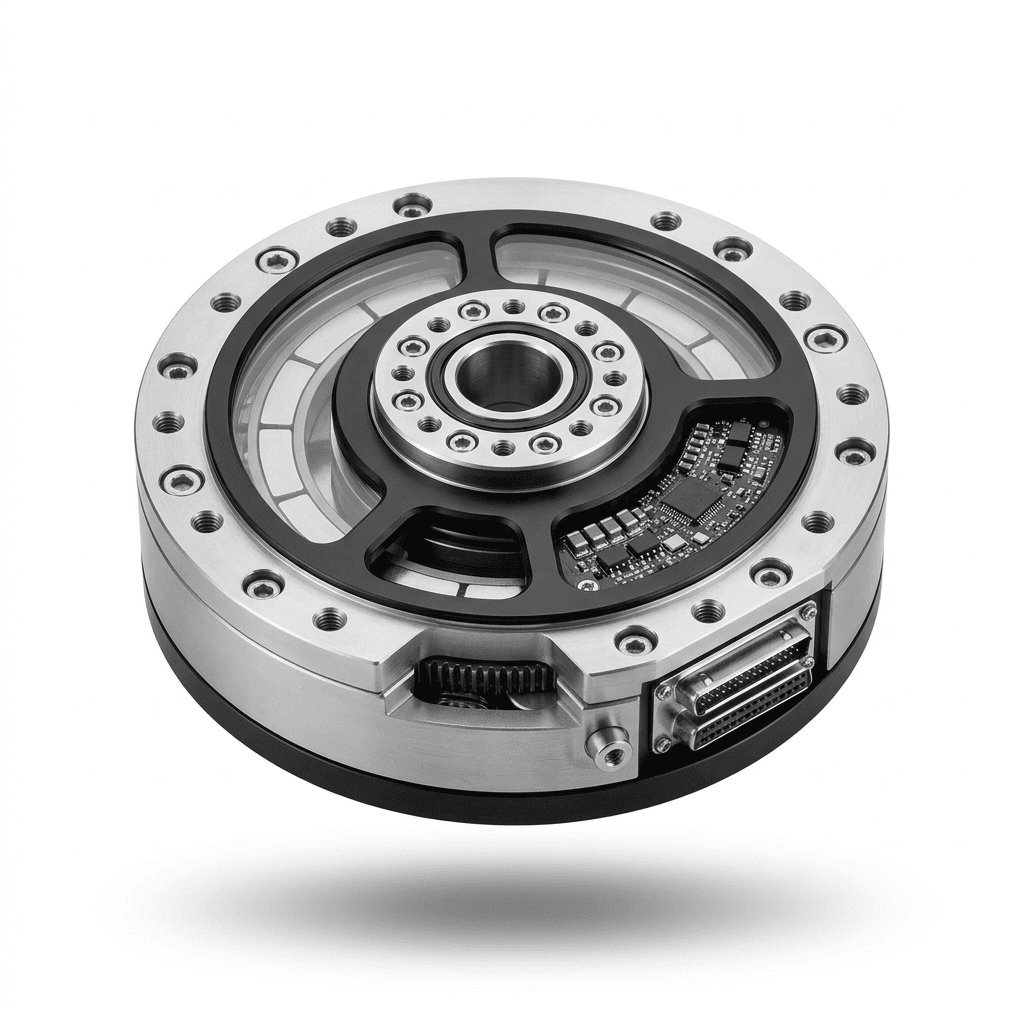
Compare QDD vs high-ratio geared robot joint modules for impact response, torque density, and thermal limits. Use the RFQ checklist to qualify OEM suppliers.
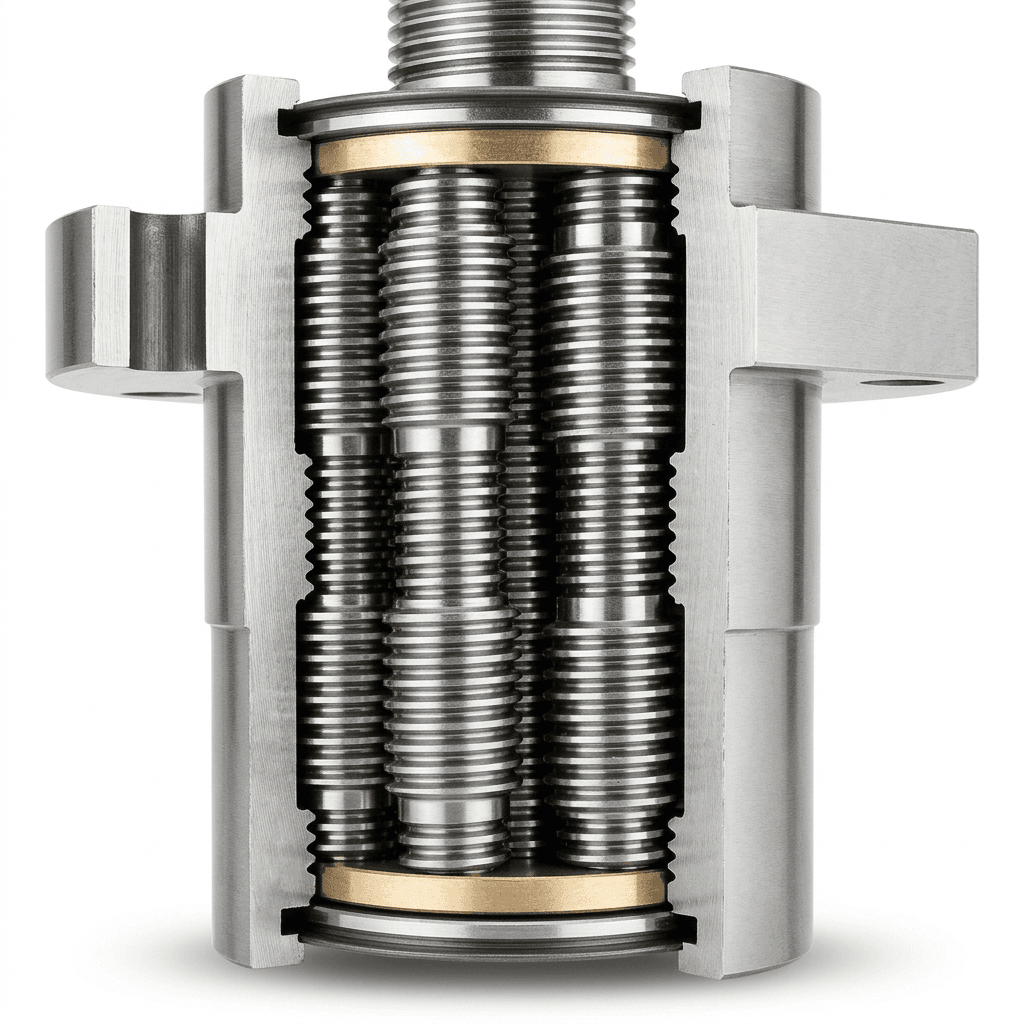
Compare inverted planetary roller screws vs rotary joint modules for humanoids: load, linkage, fatigue life and RFQ checks. Plan your engineering review.
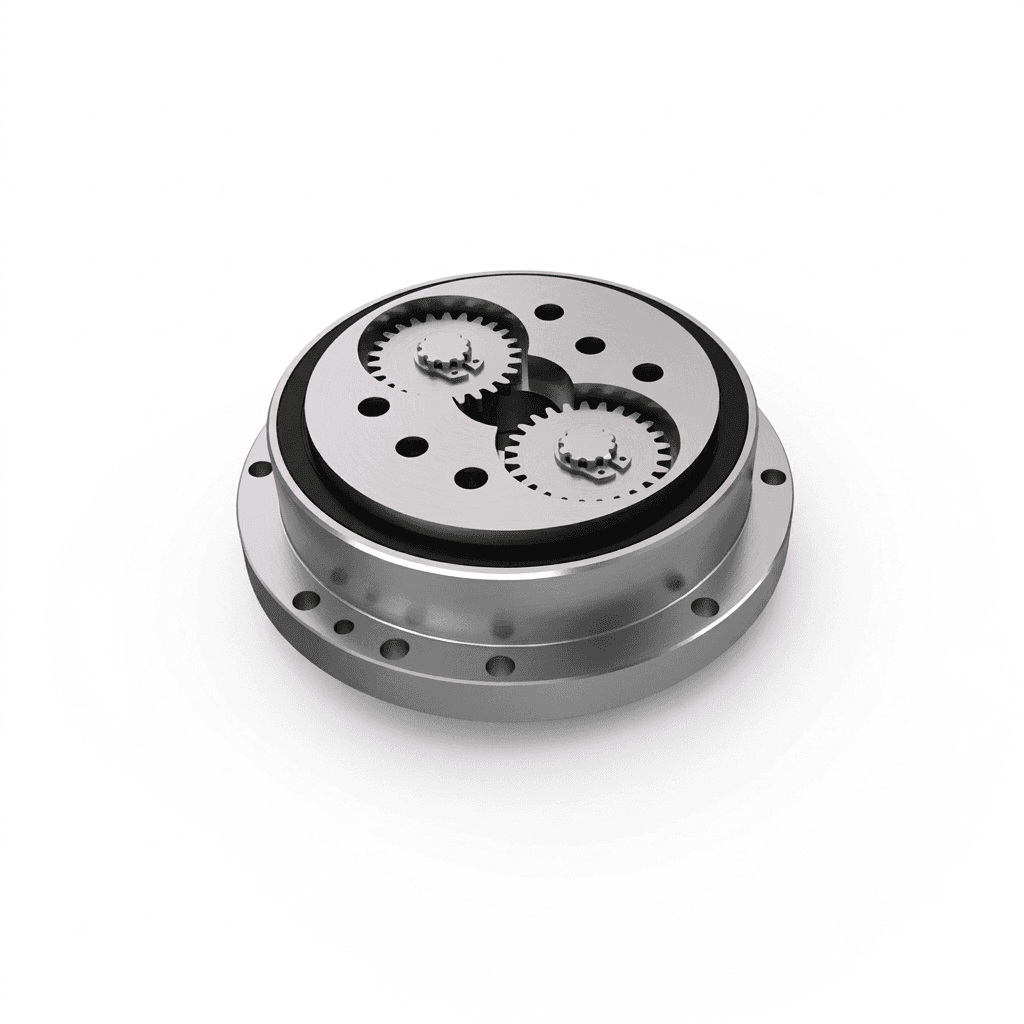
A comprehensive engineering and procurement guide comparing strain wave and cycloidal drives in robotic joint modules. Evaluate payload, backlash, and costs.
